


The Regional Ministry of Health is calling on families to have all children up to the age of 13 vaccinated against flu; in Asturias, this amounts to around 85,000 children. The Government of the Principality has today begun vaccinating this age group, one of the key new features of the 2026–2027 campaign.
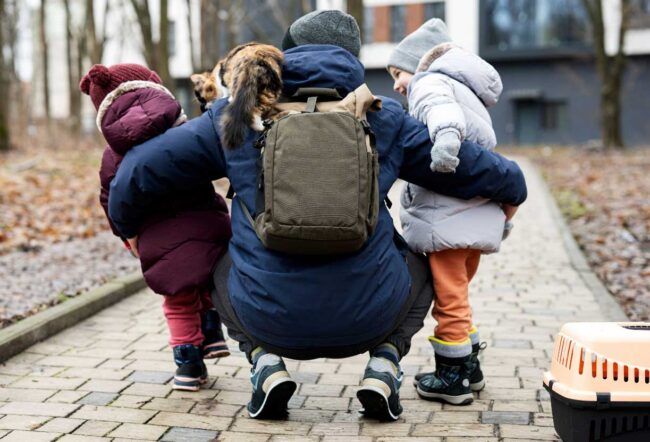
For the first time, the recommendation for vaccination extends to the entire paediatric age group, meaning that children aged between 6 months and 13 years will be able to benefit from this preventive measure. The aim is to strengthen protection for children against a disease that leads to thousands of healthcare consultations every year and, at the same time, to help reduce community transmission of the virus.
Children are one of the main vectors of flu transmission. Vaccination helps to reduce the risk of complications associated with the infection, limit the circulation of the virus in schools and indirectly protect the most vulnerable people within their family circle.
Children aged 2 to 13 will preferably receive an intranasal vaccine, administered via a nasal spray, without the need for an injection. For this campaign, the Principality’s Health Service (Sespa) has procured 44,000 doses of this type.
To facilitate access to the vaccination, Sespa has set up 30 dedicated centres to administer the vaccine in the afternoons, spread across the various health districts, with appointments offered to families via the automated booking system.
Meanwhile, children aged 6 to 24 months will receive a cell-culture-based vaccine, which is also recommended for those aged 14 to 59 with underlying health conditions. The Principality’s Government has 70,000 doses of this type available. Children under 24 months will receive the vaccine at paediatric and paediatric nursing clinics.
In the case of care homes, vaccination is being brought forward to protect older people as soon as possible, as they are one of the groups most vulnerable to complications associated with flu.
For this season, the Department of Health has procured a total of 349,000 doses of flu vaccines. In addition to those intended for children, 165,000 doses of Fluad, recommended for people aged between 60 and 79, and 70,000 doses of Efluelda, intended for people aged 80 or over and those aged 60 or over living in social and healthcare centres, have been included.
The campaign will continue gradually over the coming weeks, extending to the remaining groups for whom vaccination is particularly recommended, including older people, pregnant women, those with chronic illnesses and professionals working with vulnerable groups.
The Regional Ministry of Health encourages families to take part in the campaign and reminds them that vaccination remains the most effective way to prevent complications from the flu, reduce the impact of the illness and protect both the most vulnerable people and the rest of the population.